




Pumpkin seeds are often considered a healthy snack because they contain protein, unsaturated fats, magnesium, zinc, iron and other important nutrients. However, eating too many at once may cause unwanted effects. Some of the Disadvantages of Eating Pumpkin Seeds include bloating, gas, stomach discomfort, excess calorie intake and high sodium intake from heavily salted varieties.
The outer shells can also be difficult to digest when consumed in large amounts. Although serious problems are uncommon, medical case reports have linked excessive consumption of whole, shell-on pumpkin seeds to constipation and rare seed bezoars that can cause fecal impaction.
So, what happens when you eat too many pumpkin seeds? This guide explores the evidence-backed Disadvantages of Eating Pumpkin Seeds, how much is reasonable to eat, whether the shells are safe, who should be more careful and how to enjoy pumpkin seeds without giving up their nutritional benefits.
Quick Answer: Are Pumpkin Seeds Bad for You?
No. Pumpkin seeds are nutritious and generally safe for most people when eaten in moderation. The main Disadvantages of Eating Pumpkin Seeds usually occur when you consume large portions, eat excessive amounts of the fibrous shells or regularly choose heavily salted varieties.
Eating too many pumpkin seeds may cause:
- Gas and bloating
- Stomach discomfort or fullness
- Constipation or changes in bowel movements
- Excess calorie intake
- High sodium intake from salted varieties
- Rare allergic reactions
- Rare seed bezoars after extreme shell-on consumption
There is no official upper limit specifically for pumpkin seeds, but about 1 ounce (28 grams) is a practical standard serving for many adults.
Key Takeaways
- The main Disadvantages of Eating Pumpkin Seeds are digestive discomfort, excess calories and high sodium from heavily salted varieties.
- Eating a large amount of shell-on seeds may cause gas, bloating or constipation because the shells add considerable fiber.
- Rare medical cases have linked extreme consumption of whole pumpkin seeds to seed bezoars and fecal impaction.
- Pumpkin seed allergy is uncommon, but serious reactions are possible in people who are allergic.
- About 1 ounce (28 grams) is a practical serving for many adults, although there is no official daily upper limit.
- Choosing unsalted or lightly salted seeds and controlling portions can reduce most of the Disadvantages of Eating Pumpkin Seeds.
Are Pumpkin Seeds Actually Healthy?
Pumpkin seeds pack a surprising amount of nutrition into a small serving. Although this article focuses on the Disadvantages of Eating Pumpkin Seeds, moderate portions can provide valuable nutrients without causing problems for most people.
A 1-ounce serving can provide:
- Plant-based protein and unsaturated fats
- Magnesium, zinc, iron, phosphorus and copper
- Fiber, especially when the shell is eaten
- About 156 mg of magnesium, or roughly 37% of the Daily Value
The Disadvantages of Eating Pumpkin Seeds are more likely to become relevant with large portions, heavily salted varieties, excessive shell consumption or individual allergies and digestive sensitivities.
Can the Magnesium in Pumpkin Seeds Be Too Much?
Pumpkin seeds are rich in magnesium, but getting too much from normal food intake is unlikely for healthy people. According to the NIH, the upper intake limit for magnesium applies to supplements and medications, not magnesium naturally present in foods.
Among the Disadvantages of Eating Pumpkin Seeds, digestive discomfort and excess calorie or sodium intake are more realistic concerns than magnesium toxicity. People with significantly impaired kidney function may need individualized guidance on magnesium and other minerals.
10 Disadvantages of Eating Pumpkin Seeds You Should Know
1. Too Many Pumpkin Seeds Can Cause Gas and Bloating
Digestive discomfort is one of the most common Disadvantages of Eating Pumpkin Seeds in large amounts. Whole pumpkin seeds contain fibrous shells, so eating a big portion—especially if your diet is normally low in fiber—may lead to gas, bloating, cramping or uncomfortable fullness.
Shell-on seeds are more likely to cause trouble than shelled pepitas because the hull adds extra fiber and is tougher to digest. If you notice discomfort, reduce the portion or switch to shelled pepitas rather than avoiding pumpkin seeds completely.
2. Large Amounts Can Contribute to Constipation
Fiber usually supports regular bowel movements, but eating an unusually large quantity of tough pumpkin seed shells can create excessive intestinal bulk. This makes constipation another of the potential Disadvantages of Eating Pumpkin Seeds when portions become extreme.
Serious blockage is rare, but it has been documented. In one published case, a man developed a rectal seed bezoar after eating an entire 14-ounce bag of unshelled pumpkin seeds. An ordinary serving is unlikely to cause this problem; the case mainly shows why very large quantities of shell-on seeds should be avoided.
3. Pumpkin Seeds Are Easy to Overeat
Pumpkin seeds contain nutritious unsaturated fats, but they are also calorie-dense. A 1-ounce serving of shelled pumpkin seeds contains around 160 calories, and eating straight from a large bag can quickly turn one serving into two or three.
This does not mean pumpkin seeds cause weight gain on their own. Weight gain occurs when overall calorie intake consistently exceeds what the body uses. Still, portion control matters when considering the Disadvantages of Eating Pumpkin Seeds, especially if they are an everyday snack.
4. Salted Pumpkin Seeds Can Be High in Sodium
Salt can change an otherwise nutritious snack considerably. Some packaged pumpkin seeds are heavily seasoned, making sodium—not the seeds themselves—the bigger concern. The American Heart Association recommends no more than 2,300 mg of sodium per day, with an ideal limit of 1,500 mg for most adults.
Check both the sodium per serving and servings per package before buying. If one serving contains 300 mg of sodium and you eat three servings, that becomes 900 mg. Choosing unsalted or lightly salted varieties is an easy way to reduce this potential Disadvantage of Eating Pumpkin Seeds.
5. Pumpkin Seed Allergy Can Be Serious
Pumpkin seed allergy is rare, but reactions can be severe. A 2026 study of 25 children with diagnosed IgE-mediated pumpkin seed allergy found that 64% experienced anaphylaxis. This percentage applies only to the selected group with confirmed allergy—not to people who eat pumpkin seeds generally.
Symptoms may include:
- Hives or itching
- Swelling of the lips, face or throat
- Vomiting
- Wheezing or difficulty breathing
- Dizziness or faintness
- Anaphylaxis
Allergic reactions are among the less common but potentially serious Disadvantages of Eating Pumpkin Seeds. Breathing difficulty, throat swelling or faintness after eating them requires urgent medical attention.
6. Phytate May Reduce Mineral Absorption
Pumpkin seeds naturally contain phytate, a plant compound that can reduce the absorption of minerals such as iron and zinc during a meal. This effect is usually not a major concern for people eating a varied, nutritionally balanced diet.
Phytate is sometimes labeled an “anti-nutrient,” but eating pumpkin seeds does not automatically cause mineral deficiencies. You also do not need to soak them to make them safe. Among the Disadvantages of Eating Pumpkin Seeds, phytate is mainly relevant when the overall diet is heavily dependent on phytate-rich foods and provides inadequate amounts of absorbable minerals.
7. Whole Pumpkin Seeds Can Be a Choking Hazard for Young Children
Whole pumpkin seeds can pose a choking risk for babies and young children. The CDC identifies whole or chopped nuts and seeds as potential choking hazards, so they should be prepared in a size and texture appropriate for the child’s developmental stage.
Although choking is not one of the typical Disadvantages of Eating Pumpkin Seeds for adults, it is an important safety consideration when serving them to young children.
8. Flavored Pumpkin Seeds May Be Less Healthy Than Plain Seeds
Flavored pumpkin seeds can contain considerably more sodium, added oil or sugar than plain varieties. Seasonings such as barbecue, ranch, chili lime or sweet coatings can turn a simple serving into a much saltier or more calorie-dense snack.
When considering the Disadvantages of Eating Pumpkin Seeds, check the entire product rather than the seeds alone. For regular snacking, plain, unsalted or lightly salted pepitas are generally the simpler choice.
9. Large Portions May Cause Stomach Discomfort
Pumpkin seeds contain mostly unsaturated fats, but a large serving can still feel heavy on the stomach. NIDDK notes that high-fat foods may increase bloating in some people, and eating too many seeds at once may lead to fullness, bloating, stomach heaviness or nausea.
This is one of the Disadvantages of Eating Pumpkin Seeds that usually comes down to portion size. If you regularly feel uncomfortable after eating them, try a smaller serving.
10. Kidney Disease May Require Portion Control
Pumpkin seeds contain potassium and phosphorus, but having chronic kidney disease does not automatically mean you must avoid them. The National Kidney Foundation notes that dietary restrictions can vary depending on kidney function, blood potassium and phosphorus levels, and the type of dialysis.
For people with kidney disease, the Disadvantages of Eating Pumpkin Seeds therefore depend more on individual nutritional needs than on a universal restriction. If your potassium or phosphorus needs to be limited, follow the portion guidance provided by your healthcare team or kidney dietitian.
Can Pumpkin Seeds Cause Kidney Stones?
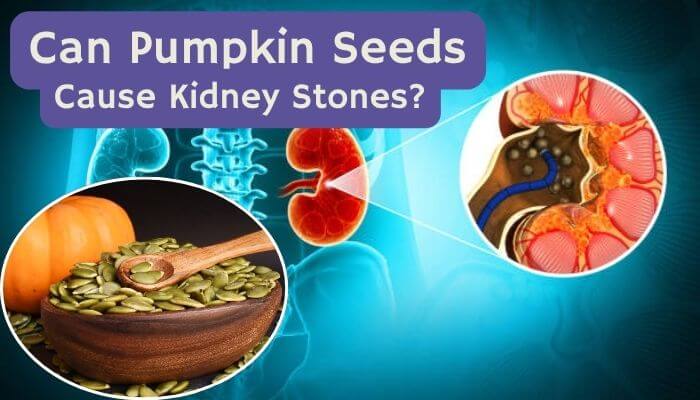
Pumpkin seeds are not automatically considered a kidney-stone-causing food. Kidney stones have different causes, and prevention depends on factors such as stone type, sodium and oxalate intake, dietary calcium, hydration and individual urine chemistry.
For people prone to calcium oxalate stones, the National Kidney Foundation recommends individualized dietary guidance rather than automatically eliminating nuts and seeds. Salted varieties may deserve particular attention because excess sodium can increase kidney-stone risk. When considering the Disadvantages of Eating Pumpkin Seeds, people with recurrent stones should base food choices on their specific stone type and medical guidance.
Are Pumpkin Seeds Bad for Diverticulitis?
Having diverticulosis does not mean you automatically need to avoid pumpkin seeds. NIDDK notes that older advice often told people with diverticular disease to avoid nuts, popcorn and seeds, but current evidence does not support this restriction for most people.
An active diverticulitis flare is different, and temporary dietary changes may be recommended depending on symptoms and treatment. Therefore, avoiding seeds is not generally one of the Disadvantages of Eating Pumpkin Seeds for everyone with diverticular disease; individual circumstances matter.
How Many Pumpkin Seeds Should You Eat Per Day?
There is no official daily maximum for pumpkin seeds, but about 1 ounce (28 grams), or a small handful, is a practical serving for many adults. Smaller amounts, such as 1–2 tablespoons, work well as a topping for oatmeal, yogurt or salads.
The right portion can vary depending on:
- Whether you eat shelled or shell-on seeds
- Your calorie needs and digestive tolerance
- Sodium levels in flavored or salted varieties
- Kidney or other dietary restrictions
Portion size matters when trying to avoid the Disadvantages of Eating Pumpkin Seeds. If you have sensitive digestion, start with less; if you need to limit sodium, choose unsalted seeds. A 1-ounce serving is a useful reference point, not a strict medical limit.
What Happens If You Eat a Whole Bag of Pumpkin Seeds?
Eating an entire multi-serving bag can deliver far more fiber, calories and sodium than a normal portion, especially when the seeds are salted and still have their shells. The larger the bag, the more likely digestive discomfort becomes.
Possible effects include:
- Gas, bloating and uncomfortable fullness
- Stomach pain or nausea
- Constipation or changes in bowel movements
- A surprisingly high calorie intake
- Excess sodium from salted varieties
- Rare seed impaction after extreme shell-on consumption
One published case involved a person who developed a rectal seed bezoar after eating a 14-ounce bag of unshelled pumpkin seeds. This was an extreme case, but it highlights why large multi-serving bags should not be treated as a single portion.
Are Pumpkin Seed Shells Bad for You?
Pumpkin seed shells are edible for most healthy adults and provide more fiber than shelled pepitas. However, the tougher texture can make them harder to digest, particularly when eaten in large amounts.
The main differences are:
- Shell-on seeds: Higher in fiber and crunchier, but large portions may cause bloating, stomach discomfort or constipation.
- Shelled pepitas: Easier to digest and still rich in protein, unsaturated fats and minerals, but they contain less fiber.
- Salted varieties: Either type can contain substantial sodium when heavily seasoned.
- Very large portions: Extreme consumption of shell-on seeds has been associated with rare seed bezoars and fecal impaction.
For most people, choosing between shells and pepitas comes down to portion size and digestive tolerance. If the shells regularly bother your stomach, shelled pepitas are the simpler option.
Raw vs. Roasted Pumpkin Seeds: Which Is Better?
Raw and roasted pumpkin seeds can both be nutritious. The bigger difference is often how they are prepared: roasting may make seeds easier to digest, while added salt, oil or sugar can increase some of the Disadvantages of Eating Pumpkin Seeds.
| Type | Main Advantage | Potential Drawback |
|---|---|---|
| Raw seeds | Minimally processed | May be harder to digest for some people |
| Dry-roasted seeds | Crunchy and potentially easier to digest | Nutrition varies by preparation |
| Salted roasted seeds | Convenient and flavorful | Can be high in sodium |
| Flavored seeds | More variety in taste | May contain added oil, sugar and sodium |
For everyday snacking, unsalted or lightly salted dry-roasted seeds are a practical choice.
Pumpkin Seeds vs. Pumpkin Seed Oil: What’s the Difference?
Whole pumpkin seeds and pumpkin seed oil are nutritionally different products. This matters when researching the Disadvantages of Eating Pumpkin Seeds, because findings about concentrated oils, extracts or supplements should not automatically be applied to whole seeds.
| Feature | Whole Pumpkin Seeds | Pumpkin Seed Oil |
|---|---|---|
| Protein | Yes | Very little |
| Fiber | Yes, especially with shells | Little to none |
| Fat | Naturally present | Concentrated |
| Minerals | Provides magnesium, zinc, iron and others | Nutritional profile differs |
| How it is consumed | Snack, topping or ingredient | Oil, dressing or supplement |
| Research relevance | Applies to seeds eaten as food | Oil-specific findings may not apply to whole seeds |
When discussing side effects or health risks, check whether the research studied whole pumpkin seeds, pumpkin seed oil or a concentrated extract before applying the findings to normal food intake.
Who Should Be More Careful With Pumpkin Seeds?

Most people can enjoy pumpkin seeds in moderate portions, but certain health conditions, allergies and age groups can make some of the Disadvantages of Eating Pumpkin Seeds more relevant.
People who may need extra caution include:
- People with a pumpkin seed allergy: Avoid pumpkin seeds if you have a confirmed allergy, and never test a suspected severe allergy at home.
- People with sensitive digestion or IBS: Large portions, particularly shell-on seeds, may trigger gas, bloating or stomach discomfort. Increasing fiber gradually may help.
- People limiting sodium: Salted and flavored varieties can contain substantially more sodium, so compare nutrition labels carefully.
- People with kidney disease: Appropriate portions may depend on kidney function, potassium and phosphorus levels, and dialysis requirements.
- People with digestive motility problems or previous GI surgery: Very large amounts of difficult-to-digest shells may increase the risk of seed accumulation or bezoars in susceptible individuals.
- Babies and young children: Whole seeds can pose a choking hazard and should only be served in an age-appropriate form.
For these groups, the Disadvantages of Eating Pumpkin Seeds depend largely on portion size, preparation and individual health needs rather than the seeds being inherently unsafe.
How to Eat Pumpkin Seeds Without the Common Problems
You can reduce many of the Disadvantages of Eating Pumpkin Seeds by paying attention to portion size, salt, shells and how your digestive system responds. A few simple habits are usually enough:
- Keep portions moderate: Measure about 1 ounce (28 grams) instead of eating directly from a large bag.
- Choose unsalted or lightly salted seeds: This helps prevent unnecessary sodium intake.
- Increase fiber gradually: If you are not used to high-fiber foods, start with a smaller serving.
- Try shelled pepitas: They may be easier to digest if whole shells cause bloating or discomfort.
- Chew whole seeds thoroughly: This makes the fibrous shells easier to manage.
- Stay hydrated: Adequate fluids are especially important when increasing dietary fiber.
- Check the nutrition label: Compare calories, sodium, added oils and sugars between products.
- Use smaller amounts in meals: Add 1–2 tablespoons to yogurt, oatmeal or salads instead of making seeds the entire snack.
- Store them properly: Keep pumpkin seeds sealed in a cool, dry place to protect their quality and prevent rancidity.
For most people, moderate portions and minimally seasoned varieties are enough to enjoy pumpkin seeds while limiting the common Disadvantages of Eating Pumpkin Seeds.
Is It Bad to Eat Pumpkin Seeds Every Day?
Eating pumpkin seeds every day is generally fine for most healthy adults when portions are moderate. Problems are more likely when daily snacking means several servings, heavily salted varieties or large amounts of fibrous shells.
Daily intake may become a concern if you:
- Regularly eat more than one serving
- Consume more calories or sodium than intended
- Develop repeated gas, bloating or constipation
- Eat large quantities of shell-on seeds
- Have a pumpkin seed allergy or condition requiring dietary restrictions
A measured serving of plain or lightly salted pepitas is very different from eating a large bag of salted, shell-on seeds every day.
Signs You May Be Eating Too Many Pumpkin Seeds
Your digestive system often provides the first clue. Some common Disadvantages of Eating Pumpkin Seeds become more noticeable as portion size increases.
Consider cutting back if you repeatedly experience:
- Gas or bloating
- Abdominal discomfort
- Uncomfortable fullness or nausea
- Constipation or diarrhea
- Persistent changes in bowel habits
Severe abdominal pain, repeated vomiting, blood in the stool, or an inability to pass stool or gas should not simply be blamed on pumpkin seeds. Seek medical attention for severe or persistent symptoms, as they may have another cause.
Pumpkin Seeds: Benefits vs. Disadvantages
Pumpkin seeds offer valuable nutrients, but portion size and preparation can change the picture. Comparing the benefits with the Disadvantages of Eating Pumpkin Seeds makes it easier to see where moderation matters.
| Potential Benefits | Possible Disadvantages |
|---|---|
| Rich in magnesium | Large portions may cause digestive discomfort |
| Provides plant-based protein | Calorie-dense and easy to overeat |
| Contains unsaturated fats | Large servings may cause uncomfortable fullness |
| Whole seeds provide fiber | Excess fiber may trigger gas or bloating |
| Provides iron and zinc | Phytate may reduce mineral absorption during a meal |
| Convenient everyday snack | Salted varieties can be high in sodium |
| Easy to add to meals | Rare allergic reactions are possible |
| Nutrient-dense | Extreme shell-on intake has caused rare seed impaction |
Overall, the Disadvantages of Eating Pumpkin Seeds are more likely to appear with excessive portions, heavily salted products, large amounts of shells or individual sensitivities. In moderate portions, pumpkin seeds can still be a nutritious part of a balanced diet.
Conclusion
The Disadvantages of Eating Pumpkin Seeds are mostly linked to portion size, preparation and individual sensitivity rather than the seeds themselves. Pumpkin seeds remain a nutrient-dense food, providing plant-based protein, unsaturated fats and minerals such as magnesium, zinc and iron.
Problems are more likely when portions become excessive. Eating too many may cause gas, bloating, uncomfortable fullness or constipation, while heavily salted varieties can add substantial sodium. Rare but more serious concerns include pumpkin seed allergy and seed impaction after extreme consumption of shell-on seeds.
For most people, the Disadvantages of Eating Pumpkin Seeds can be minimized by keeping portions moderate, choosing unsalted or lightly salted varieties and switching to shelled pepitas if the hulls cause digestive discomfort. People with kidney disease, allergies or specific dietary restrictions should follow individualized medical or nutritional guidance.
FAQs About Disadvantages of Eating Pumpkin Seeds
1. Can pumpkin seeds cause acid reflux or heartburn?
Large portions may worsen fullness or reflux symptoms in some sensitive people because pumpkin seeds are relatively high in fat. However, they are not a universal heartburn trigger.
2. Do pumpkin seeds interact with medications?
Normal food portions are not widely associated with major medication interactions. However, concentrated pumpkin seed oils or supplements are different products, so people taking medications should discuss regular supplement use with a healthcare professional.
3. Can eating pumpkin seeds before bed cause stomach problems?
For most people, a small serving is unlikely to cause problems. Eating a large portion close to bedtime may cause fullness, bloating or digestive discomfort in sensitive individuals.
4. Are pumpkin seeds harder to digest than other seeds?
Whole pumpkin seeds can be harder to digest because of their fibrous outer shells. Shelled pepitas are generally easier to eat and may be better tolerated by people with sensitive digestion.
5. Can old or rancid pumpkin seeds make you sick?
Pumpkin seeds contain oils that can become rancid during poor or prolonged storage. Seeds with an unusual bitter taste, unpleasant odor or visible mold should be discarded.
6. Are the Disadvantages of Eating Pumpkin Seeds different for raw seeds?
Some Disadvantages of Eating Pumpkin Seeds depend more on portion size and preparation than whether they are raw. Raw seeds avoid added sodium but may be less comfortable to digest for some people than roasted seeds.
7. Can pumpkin seeds cause headaches?
Headaches are not considered a typical effect of eating pumpkin seeds. If headaches repeatedly occur after eating them, consider other ingredients in flavored products and discuss persistent symptoms with a healthcare professional.
8. Do the Disadvantages of Eating Pumpkin Seeds increase with age?
The Disadvantages of Eating Pumpkin Seeds do not automatically increase with age. However, digestive problems, swallowing difficulties, kidney disease or dietary restrictions may make portion size and preparation more important for some older adults.

Source: Cosmo Politian