




Georgia’s fault rules can affect an injury claim by determining how responsibility is divided among the people involved in an accident. Under Georgia’s modified comparative negligence system, an injured person’s compensation may be reduced according to their share of fault, and a person who is 50% or more responsible generally cannot recover damages. Understanding how fault is evaluated can help injured people understand why evidence and accurate documentation are important after an accident.
For victims seeking compensation, Georgia law makes the question of fault particularly important. A claim may involve disagreements about how an accident happened, whether another person acted negligently, and whether the injured person also contributed to the incident. Georgia’s comparative negligence rules can therefore have a direct effect on the amount that may ultimately be recovered.
How Comparative Negligence Works in Georgia
Georgia follows a modified comparative negligence approach. Georgia Code § 51-11-7 provides that a person who is injured through their own failure to exercise ordinary care may have their recovery affected by that conduct. Georgia’s broader comparative fault rules are addressed in O.C.G.A. § 51-12-33.
In practical terms, a person’s percentage of fault can reduce the damages awarded. For example, if a person has $100,000 in damages but is determined to be 20% responsible for the accident, the recoverable amount could be reduced to $80,000, assuming the applicable legal requirements are met.
However, Georgia’s rule also includes an important threshold. If the injured person is found to be 50% or more at fault, they generally cannot recover damages under the modified comparative negligence rule.
Determining Who Is at Fault
Fault is not always obvious after an accident. Multiple sources of evidence may be used to establish what happened. Police reports, photographs, surveillance footage, witness statements, medical records, vehicle damage, and other documentation can all become relevant.
For example, in a car accident, the parties may disagree about who had the right of way or whether a driver was following traffic laws. In a premises liability case, questions may include whether a property owner knew about a dangerous condition and whether reasonable steps were taken to address it.
Your Own Actions May Become Part of the Claim
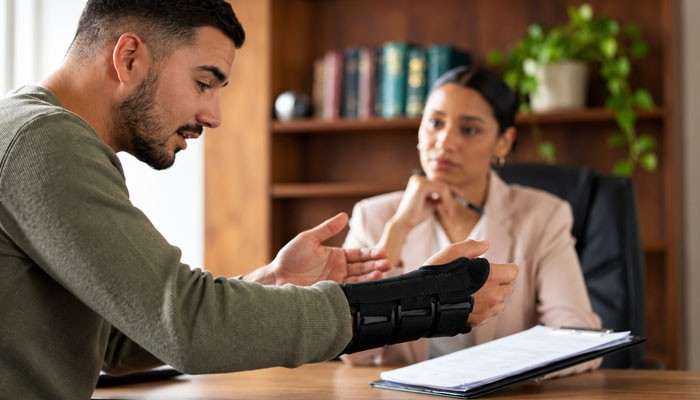
An insurance company or opposing party may argue that the injured person contributed to the accident or made the resulting injury worse. This could involve allegations such as distracted driving, failing to follow safety instructions, or ignoring a known hazard.
That does not automatically mean the claim will fail. Instead, the evidence and applicable law determine how responsibility is considered. Injured people should provide accurate information and preserve records that may help explain what happened.
Evidence Can Influence Fault Disputes
Strong evidence can be particularly important when the parties have different accounts of an accident. Photographs taken soon after an incident may show road conditions, property hazards, vehicle positions, or visible injuries.
Witnesses can also provide information that supports or challenges the accounts given by the parties. Medical records may help establish the nature and extent of injuries and whether they are consistent with the reported accident.
Fault Can Affect Settlement Discussions
Fault is often considered during negotiations with an insurance company. If there is a dispute about responsibility, the parties may evaluate available evidence and the potential impact of Georgia’s comparative negligence rules.
This means an injured person should be cautious about making assumptions about the value of a claim before understanding the evidence and the possible allocation of fault.
Why Prompt Documentation Matters
Evidence can become harder to obtain as time passes. Surveillance footage may be deleted, witnesses may become difficult to locate, and physical conditions at an accident scene may change.
After receiving necessary medical attention, keeping accident reports, medical records, photographs, bills, correspondence, and other relevant documents can help create a clear record of the claim.
Key Takeaways
- Georgia uses a modified comparative negligence system.
- A person’s share of fault can reduce the damages they may recover.
- A person who is 50% or more responsible generally cannot recover damages under the applicable rule.
- Georgia Code § 51-11-7 and O.C.G.A. § 51-12-33 address important aspects of negligence and comparative fault.
- Evidence such as photographs, witness statements, reports, and medical records can help establish responsibility.
- Prompt documentation can be valuable when fault is disputed.

Source: Cosmo Politian